

Living in Utopia Phuket: How to rent a house in Nai Harn and get a five-star hotel service
Developments
12.23.25
Which area of Phuket to live in? Compare the south, west coast and centre: Rawai, Nai Harn, Bang Tao, Kamala. Pros, cons, tips. Ask us on Telegram.
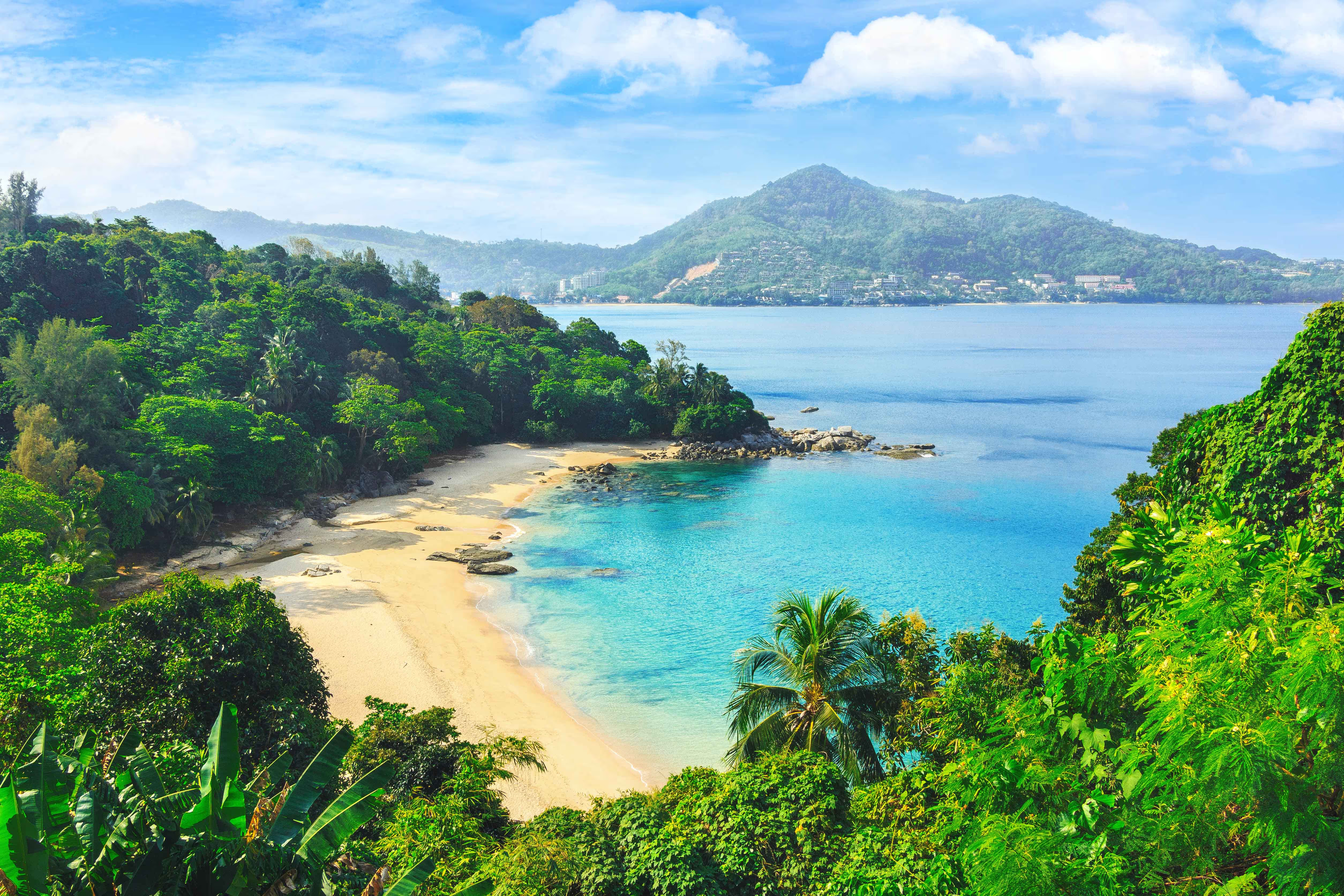
The question of which area of Phuket to live in is rarely about the beach. It is about daily life: how you get around, where you shop, where the kids go to school and how much noise surrounds you. The best areas to live in Phuket differ a lot, and picking the wrong one costs more than picking the wrong house. Below is a practical breakdown of the south, the west coast and the island centre.
Want to talk through your own situation? Message us: t.me/thai_dir
A note: we deliberately give no exact rent or purchase prices. They depend heavily on season and the specific property, so we prepare current figures for each request.
Answer three questions first. How long will you stay: a season or several years? Do you have school-age children? Will you have your own vehicle? The last one matters most: Phuket has no public transport you can fully rely on, so choosing an area means choosing how you will travel.
Many guides describe Rawai and neighbouring Nai Harn as where long-term residents settle, with everyday infrastructure such as markets, cafes and shops. Commonly cited downsides: the swimming beach is not the best, and life is hard without your own transport. See our Rawai guide and the Rawai area page.
Nai Harn is valued for its calm atmosphere and beautiful beach. Reviews mention seasonal waves and generally higher housing costs than neighbouring areas. See the Nai Harn area page.
Chalong is most often called the budget choice for long stays: rents tend to be more affordable, the pace is relaxed and the island's main roads are close. It suits people who value practicality over a sea view.
This is the most family-oriented and prestigious cluster, popular with families who want international schools, restaurants and beach clubs. The trade-off is high housing costs and traffic at narrow points on the roads. The northern end of Bang Tao beach is usually quieter, while the south is dense with resorts. See the Bang Tao page.
Kamala offers privacy and sea views; Surin is premium and quieter. One practical point: hillside homes can face water shortages in the dry season, so ask about it before signing. See Kamala and Surin.
Need help matching an area to your family and school? Write to us: t.me/thai_dir
People choose Phuket Town and Kathu for their central position and a stable long-term rental market. Hospitals, shops and the airport are easier to reach, but the sea is not next door and the feel is urban. It suits year-round residents who do not need a beach on the doorstep.
Patong is the loudest area with the nightlife; few choose it for permanent living. Karon and Kata are calmer, with a big beach and tourist infrastructure, but it is seasonal: busy in high season, with much closed in low season. Area pages: Karon, Kata, Patong.
If you are looking at an area as an investment rather than a home, that is a different question, covered in Phuket areas for investment. Longer stays can be arranged via the LTR visa.
We match options to your lifestyle, not to a commission: we clarify budget, family and habits, then show real properties in suitable areas. Facts about new developments come from the developers and are verified before we state them. Browse the property catalogue or message us: t.me/thai_dir
There is no single best area to live in Phuket. The south suits calm long-term living, the west suits families willing to pay for infrastructure, and the centre and Chalong suit a practical budget. Define your scenario, check the commute and seasonality, then choose the house. For a consultation: t.me/thai_dir